
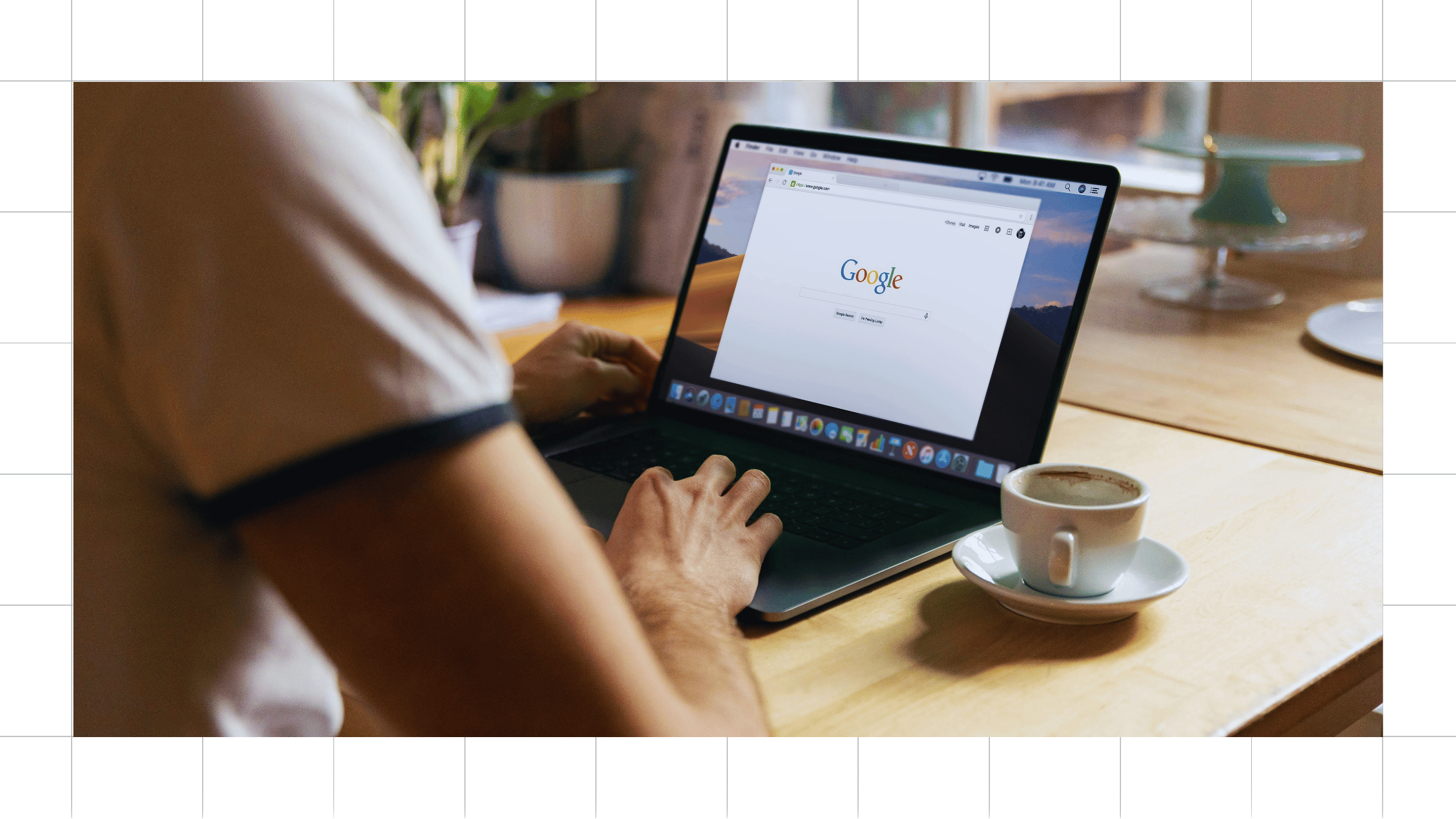
In a 2026 survey of 4,180 buyers across 38 metros, 67% used an AI tool as their primary research method before they ever contacted an agent. They asked ChatGPT how to start. They read Google’s AI Overview instead of clicking a link. Some got an agent recommendation from a chatbot before a human said a word.
That’s the shift behind three letters you keep hearing. SEO, AEO, and GEO for real estate are three different ways to be found, and most agents only do the first one. Search itself changed underneath them: 68% of U.S. searches now end without a click, according to a 2026 SearchEngineLand study.
By the end of this article, you’ll know what each one does, how they differ, and which to do first. The short version: SEO gets you on the list, AEO makes you the answer, and GEO gets you named in the recommendation.
Key Takeaways
- 67% of buyers use an AI tool as their main research before contacting an agent. Miss AI search and you’re absent from the buyer’s first step.
- SEO gets you on the list, AEO makes you the answer, GEO gets you named. Three systems, one buyer.
- AI Overviews appear on more than 20% of Google queries and push the zero-click rate to about 83%. Ranking a page no longer guarantees a visit.
- Self-contained answers of 50 to 150 words earn 2.3 times more AI citations than long, unstructured content. Format decides whether AI can quote you.
- Most agents are invisible in AI search while a small group of names gets cited over and over. So few are trying that early effort compounds.
What changed: search stopped being a list of links
For a decade, the game was simple. Rank a page, earn the click, capture the lead. That model is eroding fast. In early 2026, 68% of U.S. searches ended without a single click, and when an AI Overview appears at the top, the zero-click rate climbs to about 83%. Informational queries, exactly what buyers and sellers type, run around 74% zero-click.
Three out of four times your expertise could answer a question, the buyer never reaches a website. The answer gets handed to them on the results page.
A second front opened at the same time. Buyers skip the search engine and ask ChatGPT, Perplexity, or Gemini directly, and that same 2026 survey found 67% researching with an AI tool first. The question shifted from “which link do I click” to “what does the AI tell me.”
So visibility split into three jobs: rank in the list of results (SEO), get pulled into the answer box above them (AEO), and get named inside the chatbot’s recommendation (GEO). Agents winning listings right now treat these as three lanes on one road, not a single tactic.
What is SEO? Getting found in the search results
Search Engine Optimization (SEO) is the practice of structuring your website and content so search engines rank it when buyers and sellers search, through keywords, clean site architecture, technical health, local backlinks, and a maintained Google Business Profile.
This is the discipline you already know. When someone types “homes for sale in Rosedale” or “top listing agent in Austin,” SEO decides whether your page shows up on the first screen or the fourth. It works on three levers:
- On-page and technical: fast, crawlable pages with clear structure and the right keywords.
- Authority: local backlinks and mentions that tell Google you’re credible in your market.
- Local signals: an accurate, active Google Business Profile.
Here’s the catch that trips up most agents. Thin pages, recycled market copy, and sites nobody has touched in months get pushed down. Even done well, SEO is slow. Meaningful organic traffic typically takes three to six months of consistent work to build, a timeline most SEO practitioners treat as standard.
SEO still matters even as AI eats the clicks, because it’s the foundation the other two stand on. AI Overviews and chatbots both pull from pages that already rank and can be crawled. If a search engine can’t find and trust your site, it has nothing to quote and nothing to cite. Fix the foundation first.
What is AEO? Becoming the answer buyers see first
Answer Engine Optimization (AEO) is structuring your content so the search engine’s AI- meaning AI Overviews, People Also Ask, and voice assistants- pulls your exact words as the direct answer to a question rather than just listing your page.
The difference from SEO is sharp. SEO competes for a rank on the page. AEO competes to be the answer at the top of it, the two or three sentences a buyer reads before they scroll.
Think about what your clients actually ask. How do I choose a real estate agent? Is it a good time to sell in Denver? How much are closing costs in Texas? Each one triggers an AI answer now, pulled from somebody’s website. The only question is whether it’s yours.
Winning the answer box comes down to how you structure a page:
- Use the real question as your heading, in the words people actually type.
- Put a direct 40 to 80 word answer first, before the backstory.
- Add FAQ schema so the engine can read your Q&A as structured data.
- Write plainly and factually, with no throat-clearing.
The format isn’t cosmetic. Self-contained answers of 50 to 150 words get 2.3 times more AI citations than the same information buried in long prose, and 55% of AI citations come from the top 30% of a page. Answer first, explain second. The win is being the sentence a buyer reads and trusts, even when they never click through.
What is GEO? Getting recommended by name in AI tools
Generative Engine Optimization (GEO) is earning enough trust as a source that large language models like ChatGPT, Perplexity, Gemini, and Claude cite and name you when someone asks for a recommendation, such as “who is a good agent in Sacramento?”
Here’s the distinction people blur. AEO is about being picked as the answer to a question on a search engine. GEO is about being named inside the chatbot’s own recommendation. One shows up on Google; the other in the private conversation a buyer has with an AI before they trust anyone.
The queries look like referrals, because that’s what they are. Who are the best real estate agents in Sacramento? Recommend a realtor who’s good with first-time buyers in Midtown. The chatbot answers with names, and you want yours in the output.
Getting there works differently from SEO. Chatbots don’t rank pages; they synthesize from sources they trust:
- A consistent identity: the same name, brokerage, and contact details everywhere online.
- Data-rich, factual content that states specifics an AI can lift.
- Third-party validation: local news, podcasts, complete platform profiles, and reviews that mention real neighborhoods.
Brand and entity signals now outweigh raw backlink counts, and quantitative claims get about 40% higher citation rates than vague ones. Almost nobody is doing this yet. Most agents are invisible in AI search while a small group of names gets cited again and again. The referral used to happen at a dinner party. Now it happens inside a chatbot, and early effort compounds.
SEO vs AEO vs GEO: the real difference for real estate
One line keeps the three straight: SEO gets you on the list, AEO makes you the answer, GEO gets you named. Here’s the same idea as a table.
| Discipline | Where you show up | What the buyer is doing | How you win | Real estate example |
|---|---|---|---|---|
| SEO | The ranked list of results | Clicking through to compare options | Keywords, technical health, local backlinks, Google Business Profile | Ranking for “homes for sale in [neighborhood]” |
| AEO | The AI answer box above the results | Reading the answer, often not clicking | Question headings, 40 to 80 word answers first, FAQ schema | Getting quoted for “how much are closing costs in [city]” |
| GEO | Inside a chatbot’s recommendation | Asking an AI who to trust | Consistent identity, data-rich content, reviews, third-party mentions | Getting named for “best agent in [city] for first-time buyers” |
If you remember one distinction, make it this: AEO wins a question on a search engine, GEO wins a recommendation inside a chatbot. AEO is about your content. GEO is about your reputation as a source. You need both, because buyers use both.
Why real estate agents need all three, not just one
It’s tempting to pick one and skip the rest. That leaves a gap a competitor fills, because the three cover different moments in the same buyer’s journey.
Follow one buyer. She opens ChatGPT and asks how to start buying a house, then asks for a good agent in her city (GEO). A few days later, she Googles whether it’s a good time to buy and reads the AI Overview without clicking (AEO). When she’s ready to compare neighborhoods and real listings, she clicks through to actual pages (SEO). Miss any one lane, and you’re not there at that moment.
This isn’t fringe behavior. Nearly half of 2026 homebuyers have used or plan to use AI tools, and the National Association of Realtors now calls AI an early step in the homebuying journey. Adoption skews young: 64% of adults aged 30 to 44 have asked an AI tool for a business recommendation, versus 24% of those over 60. That younger half is your next decade of first-time buyers.
The three compound instead of competing. A page built answer-first ranks in search, gets pulled into the Overview, and becomes citable source material for a chatbot. One asset, three wins. You don’t need three separate programs; you need content built to satisfy all three at once, which is what the last section covers.
How real estate agents can win all three from one page
You don’t have time for three marketing programs, and you don’t need them. Build every piece of local content as an Answer-First Page, structured around one real question a buyer or seller asks, and a single article can win all three.
Take a query you get every week: “How much are closing costs in Austin?”
The before version is a 900-word ramble that opens with the history of closing costs and buries the number in paragraph six. Search engines rank it poorly, AI can’t extract a clean answer, and no chatbot will cite it.
The after version leads with the question as the heading, then answers in the first two sentences: “Closing costs in Austin typically run 2% to 5% of the purchase price, or roughly $9,000 to $22,000 on a $450,000 home.” Then it adds the detail, a short cost table, and FAQ schema.
That one rewrite wins all three at once. It ranks because it’s real, keyword-relevant, crawlable content (SEO). It gets pulled into the Overview because the answer sits first, where 55% of AI citations come from (AEO). And it becomes citable because specific numbers earn about 40% higher citation rates than vague claims (GEO).
With limited hours, do these three things in order:
- Fix the foundation: a crawlable site and complete, consistent profiles on Google and the major platforms. This powers SEO and GEO.
- Rewrite your top five buyer and seller questions answer-first, with FAQ schema. This is your fastest AEO win.
- Publish data-rich local content and earn reviews and mentions that name real neighborhoods. This builds GEO over time.
The tools matter less than the habit. If the platform you use to publish neighborhood pages and home-search content lets you structure clean answers and FAQs, you’re already ahead. Start with the five answers you already give buyers every week.
FAQ: SEO, AEO, and GEO for real estate
What is the difference between SEO, AEO, and GEO?
SEO gets your website ranked in the list of search results. AEO gets your content picked as the direct answer in AI Overviews, featured snippets, and voice search. GEO gets your name cited inside AI chatbots like ChatGPT when someone asks for a recommendation. In short: SEO is your rank, AEO your content, and GEO your reputation as a source.
Is SEO still worth it for real estate agents?
Yes, and it matters more than ever. SEO is the foundation both AEO and GEO pull from. AI Overviews and chatbots quote pages that already rank and can be crawled, so a site that can’t be found or trusted has nothing to feed the AI. Skip SEO, and the answer engines have nothing of yours to quote.
How do I get my real estate website into Google’s AI Overviews?
Structure your pages answer-first. Use the real question buyers ask as your heading, put a clear 40 to 80 word answer in the first sentences, then add the detail and FAQ schema markup. AI pulls most answers from the top of a page, so lead with the answer and keep it specific. Target the questions clients actually ask, like closing costs or the best time to sell.
How do I get ChatGPT to recommend me as an agent?
Build a consistent, credible presence across the web. Keep your name, brokerage, and details identical everywhere, publish factual local content with real specifics, and earn reviews and third-party mentions that name your neighborhoods. Chatbots synthesize recommendations from trusted sources, not a single ranked page. Most agents are invisible in AI search, so consistent effort now compounds quickly.
Can I do this myself or do I need an agency?
You can start on your own. Fix your profiles, rewrite your top five client questions answer-first, and publish local content on a schedule. Those three moves cover most of the ground. The habit of answering real questions matters more than any tool. If you want to pull in the experts, we recommend the folks at FlyDragon.